


"My Vision Seems Fine": 5 Hidden Eye Conditions St. Louis Optometrists Spot Before Symptoms Start
"My Vision Seems Fine": 5 Hidden Eye Conditions St. Louis Optometrists Spot Before Symptoms Start
Clear vision does not always mean healthy eyes. Many eye diseases begin quietly, causing little or no noticeable change until damage has progressed. That is why a comprehensive eye exam is important even when you can read clearly, drive comfortably, and have no eye pain.
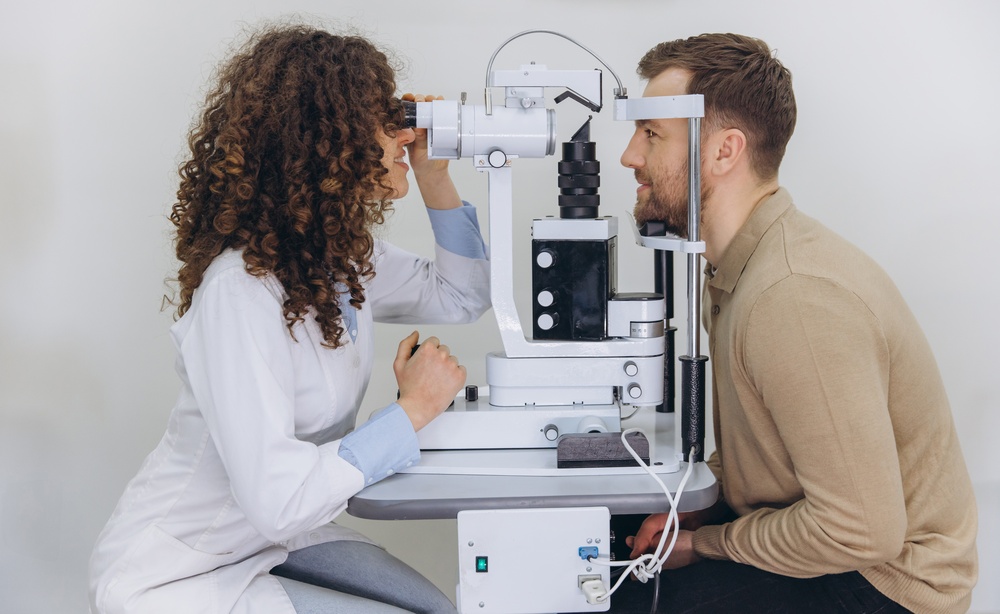
Our optometrist evaluates more than your prescription. By examining the retina, optic nerve, lens, eye pressure, and other structures, your eye doctor may identify early warning signs before they interfere with daily life.
Why a Vision Screening Is Not Enough
A basic vision screening usually checks whether you can see letters at a certain distance. It does not provide a complete assessment of eye health. You may have 20/20 vision and still have early signs of glaucoma, retinal disease, cataracts, or other conditions.
During a comprehensive eye exam, our optometrist reviews your vision, eye pressure, focusing ability, eye coordination, and internal eye health. Dilation may also be recommended to provide a wider view of the retina and optic nerve. The findings help determine whether you need routine monitoring, additional testing, treatment, or a referral to another eye care specialist.
5 Eye Conditions That May Develop Without Early Symptoms
Routine eye exams can help detect or monitor conditions such as:
- Glaucoma: This group of diseases can damage the optic nerve, often without early symptoms. Peripheral vision loss may develop gradually and go unnoticed.
- Diabetic Retinopathy: Diabetes can damage the small blood vessels in the retina. Early changes may be present before blurry vision, floaters, or other symptoms appear.
- Age-Related Macular Degeneration: Early dry macular degeneration may not cause noticeable symptoms. An eye exam can reveal changes in the macula before central vision becomes affected.
- Cataracts: Mild cataracts may begin forming without obvious vision problems. Over time, they can contribute to glare, faded colors, cloudy vision, and difficulty seeing at night.
- Retinal Holes or Early Detachment: Small areas of retinal damage may not always cause immediate symptoms. A careful retinal evaluation can help identify concerns that may require prompt monitoring or treatment.
Who Should Prioritize Regular Eye Exams?
Everyone benefits from preventive eye care, but annual exams are especially important for adults over 40, people with diabetes or high blood pressure, and patients with a family history of glaucoma or macular degeneration. Contact lens wearers and anyone taking medications that may affect the eyes should also follow the exam schedule recommended by their optometrist.
Eye exam frequency depends on your age, health history, symptoms, and risk factors. Even when your vision seems unchanged, staying consistent with appointments gives your eye doctor a better opportunity to compare findings over time and respond to subtle changes.
Stay Ahead of Hidden Eye Conditions
Protecting your eyesight starts with knowing what is happening before symptoms appear. A routine eye exam can provide reassurance, establish a baseline for future care, and help your optometrist identify subtle changes that may need closer attention. Even when your vision feels clear, preventive eye care remains an important part of maintaining long-term eye health.
Schedule a comprehensive eye exam with Primary Eyecare and Eyeware to protect your vision and support long-term eye health. Contact our office in Saint Louis, MO, by calling (314) 962-1700 today.

All Eye
Care Services

Keep
In Touch


Our Services
Contact Info
Hours of Operation
- Monday 8:30 am - 5:30 pm
- Tuesday 8:30 am - 5:30 pm
- Wednesday CLOSED
- Thursday 8:30 am - 5:30 pm
- Friday 8:30 am - 5:30 pm, Closed at noon when open on Saturday
- Saturday Open One Saturday a Month 8:30 am - 12:00 pm
- Sunday CLOSED
© 2026 Primary Eyecare and Eyeware . All rights Reserved. Accessibility Statement - Privacy Policy - Sitemap
Powered by:
